Textilepedia: The Complete Fabric Guide
An essential reference that goes beyond the hype to deliver practical textile knowledge.
An essential reference that goes beyond the hype to deliver practical textile knowledge.

Textilepedia is an encyclopedic reference book on textiles. Knowledge about textiles, fibers, yarns, finishes, etc., is extremely important for the product development of garments. The book is broken into 10 sections: Q&A, Fibers, Yarn, Weave, Knits, Lace & Netting, Non-woven & Felting, Hides, Finishings, and Patterns, Motifs & Colors.
It’s easy to skim over the Q&A section—I sure did when first reading the book. It must have been my third or fourth time, after going straight to the pictures of the fibers and other diagrams, that I finally read the Q&A, and I’m so glad I did. The questions and answers are amazing. They’re practical and immediately applicable—questions that anyone first starting in the world of textiles or fashion would have roaming around their head. For example: Why do fabrics have different widths? Is natural or synthetic fiber a better option? What are ways to prevent color fading? Which fabrics are best for dyeing, printing, bleaching, etc.?
Funny thing is while writing the review, the cover istelf says, “Please Read the Introduction” aka the Q&A.
Aside from being a go-to resource for the qualities of fibers and weaves when considering a textile for a project, the book does a really good job of laying out the pros and cons of all the possibilities that exist in the production of textiles. This is most evident in the Q&A section.
At the moment, there’s a lot of hype around sustainability and choosing organic and natural materials. I’m not saying that isn’t a good thing, but it’s a very narrow focus that most often misses the point.
Question 12 of the Q&A asks: “Are all natural fibers sustainable? Not all natural fibers are sustainable, although most of them are renewable. Factors including production process, traceability, and working environment should be considered when deciding whether a fiber is sustainable.”
It may be shocking to hear that not all natural fibers are sustainable if you’ve only been listening to the hype on social media and from fashion brands selling their products (a.k.a. greenwashing). The end-response of Question 1 in the Q&A is the point that is often missed: “A fabric works best when the functions fit the needs of the end product.”
In the preface, the Fashionary team says their goal is to “offer a practical, easy-to-read guide that equips designers with essential fabric knowledge,” and that is clearly achieved. 10 out of 10.
Final Verdict: Whether you’re a seasoned designer or just starting to explore textiles, Textilepedia is an invaluable reference that combines beautiful visuals with honest, practical information. It’s the kind of book that gets better every time you pick it up. Borrow this book from your local public library, buy the ebook or get a used copy before buying new (Amazon Link).
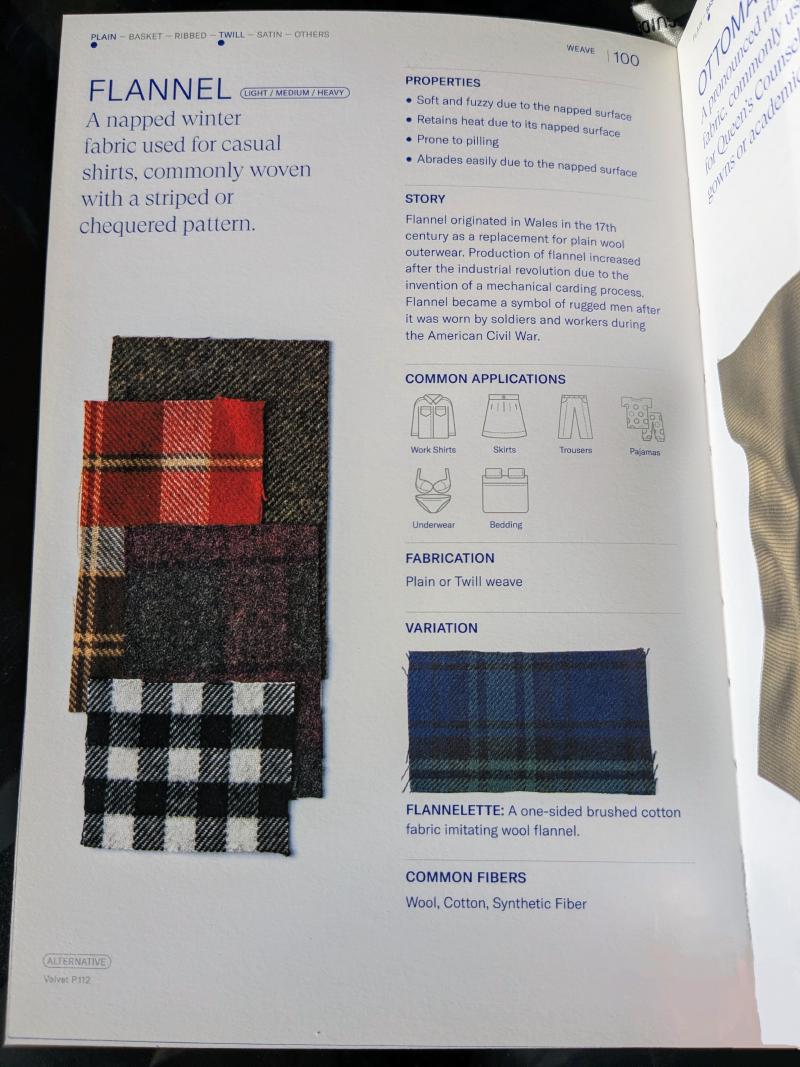
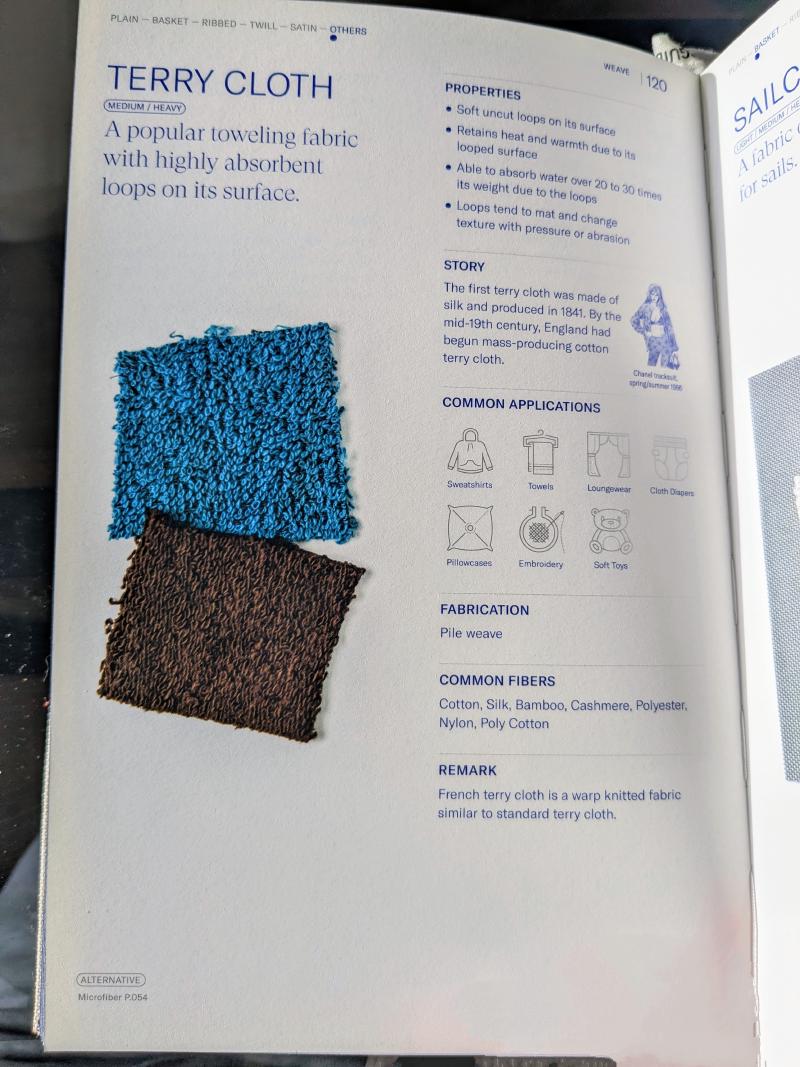
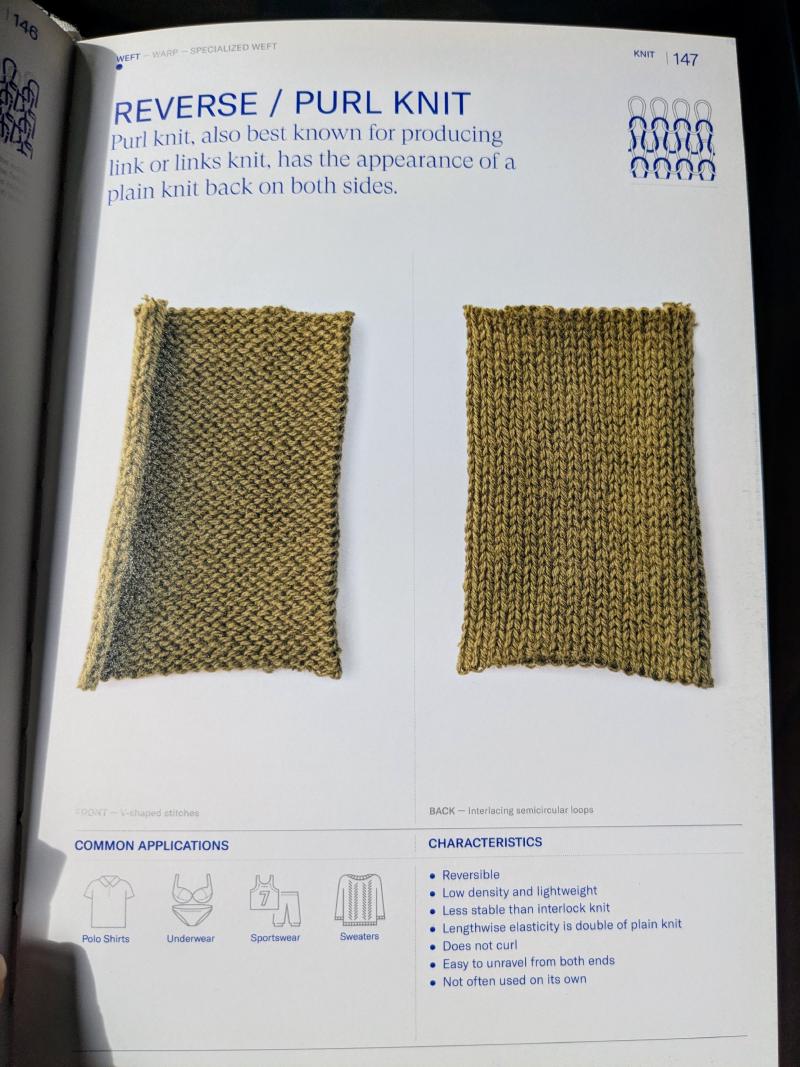
Now, the fun part: here are some pictures I took of the fibers and weaves. A marvel in photography and production printing, the images look so real that many times you’ll think you can actually touch them.
Get updates on refashion projects, tutorials, and behind-the-scenes stories.